By: Tom Eisner. 10 September 2026.
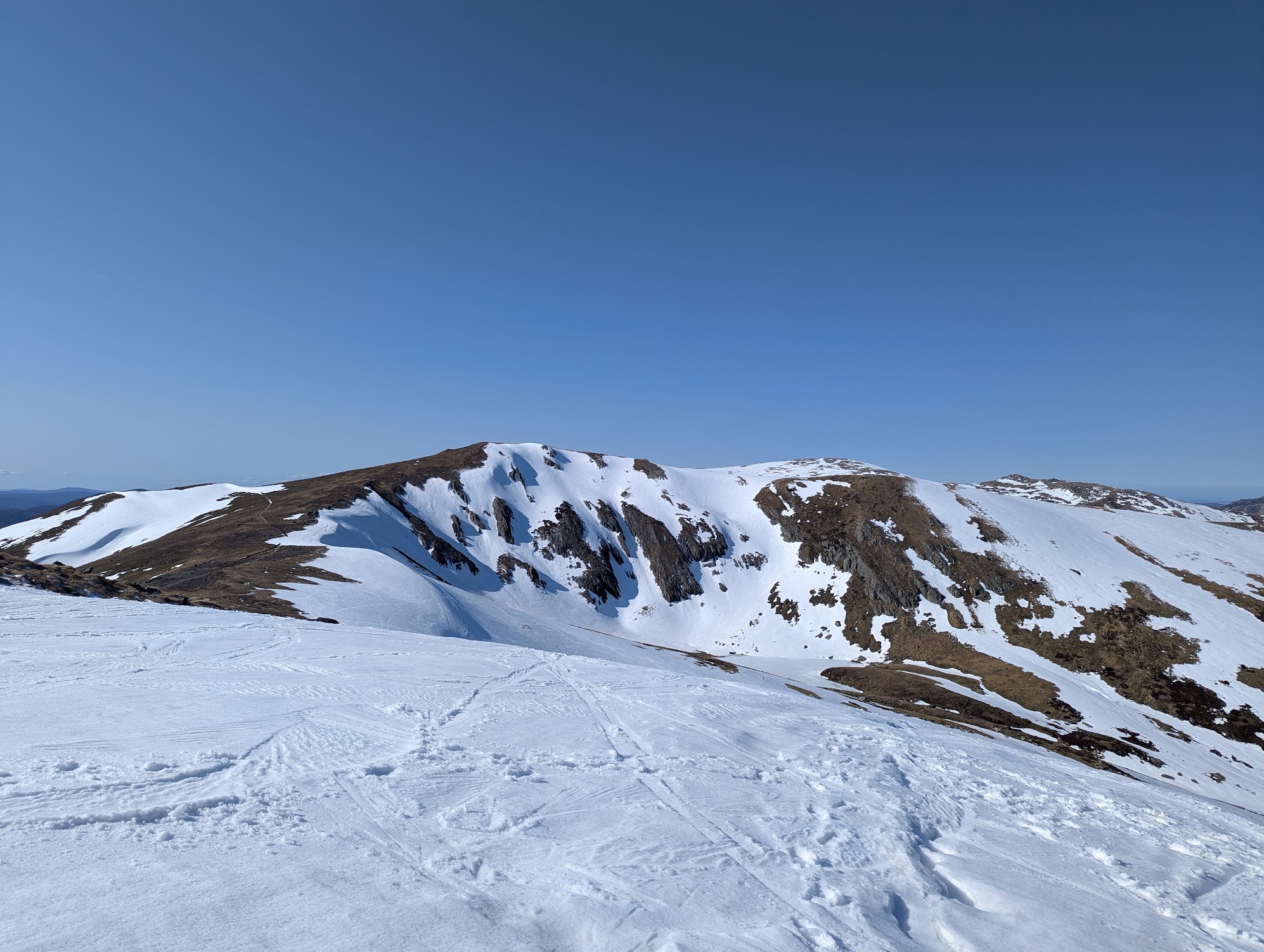
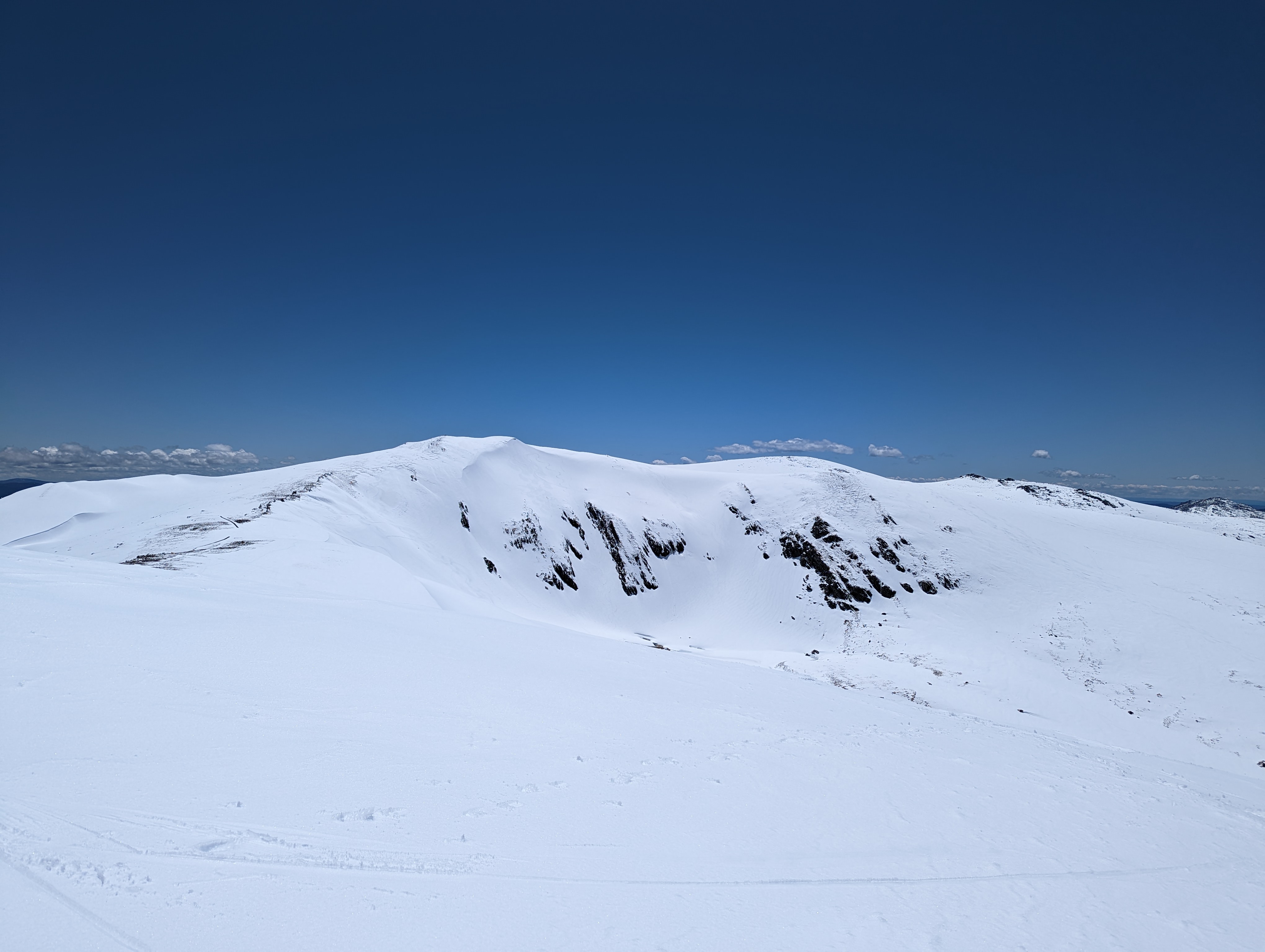
It is the start of September when snow depths are usually near their peak in the Australian Alps. This year however, we are already looking at the end of the season in Victoria, with NSW not far behind. Many resorts have closed already. Bogong has no snow on the northern aspects, and the southern faces look like late October. My annual end of September trip is going to be moved to the Main Range, and even then, it seems as if we will be lucky to be skiing the Club Lake and Blue Lake bowls.
As skiers and boarders in a season such as this, we’re all disappointed because we don’t get to slide for as long as we’d like. But the consequences of poor snow seasons extend far beyond skiing. Snow in the Australian Alps helps regulate streamflow and water availability for millions of people downstream, impacting livelihoods, culture, the environment, agriculture, and tourism. These impacts continue long after the season is finished, and given the current trends, will continue to for decades to come.
This article is adapted from a university research essay I wrote several years ago. While I’ve revisited the literature and updated my understanding where appropriate, the goal here isn’t a scientific review. It is intended to foster discussion and spread awareness of the impacts of our changing winters for all Australians, not only those who enjoy winter recreation in the mountains.
We all have skin in the game.
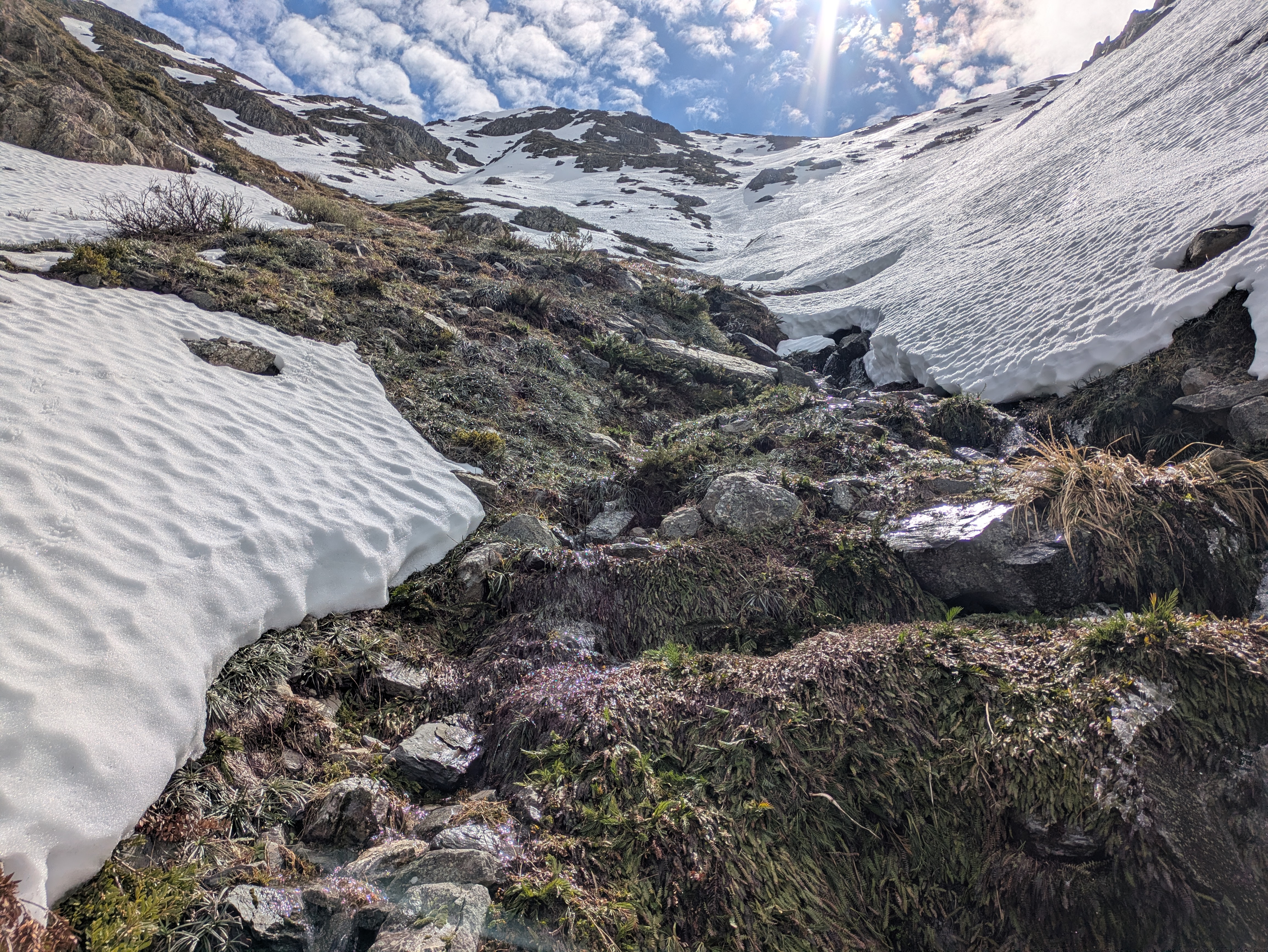
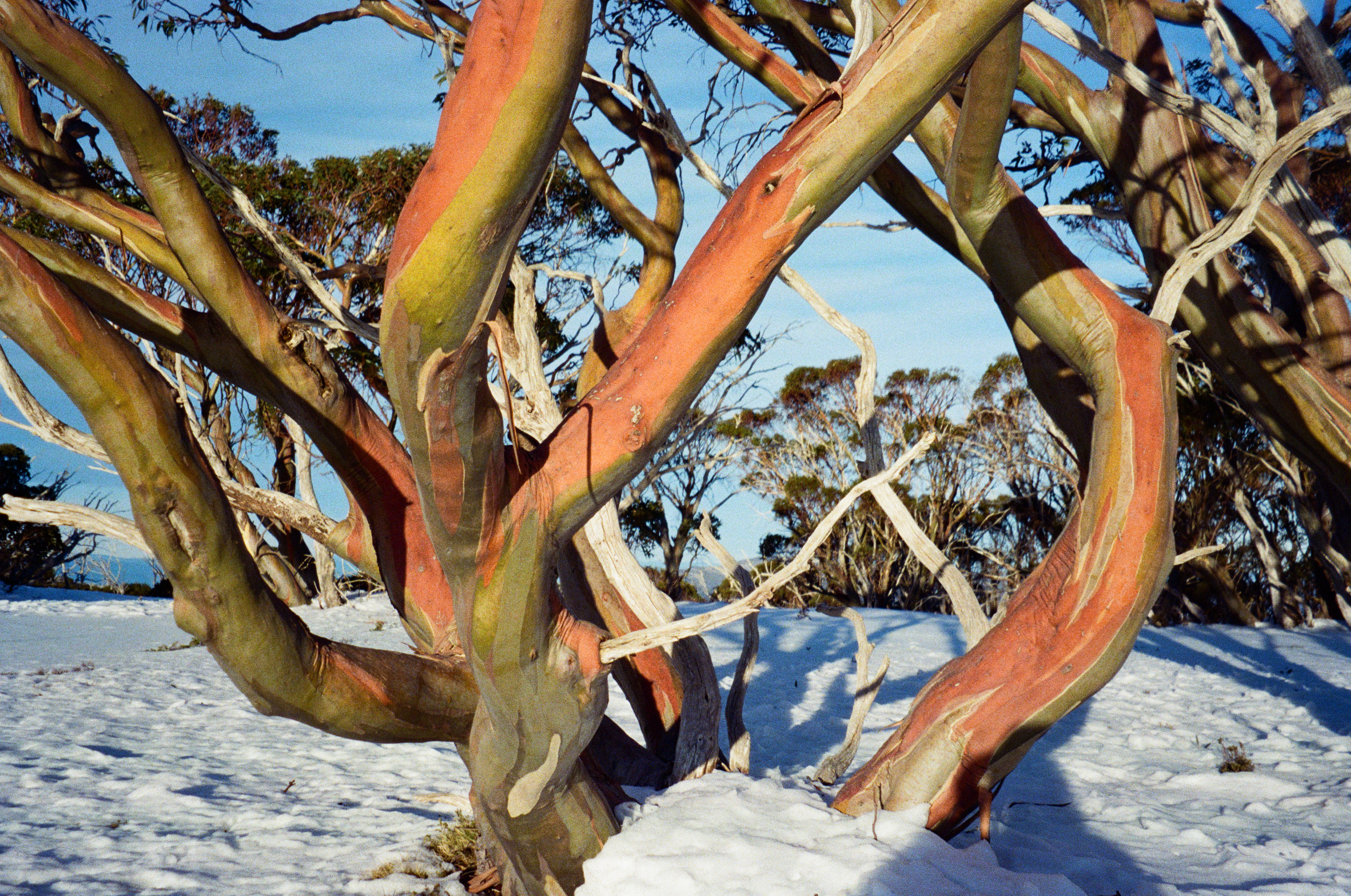
Mountains are well understood to be a critical component of the water cycle. Acting as the water towers of the world, they provide freshwater to a large proportion of the world’s population. Snow cover, accumulation, and snowmelt runoff dictate the annual streamflow and groundwater recharge regimes in these regions. In Australia, temperature and precipitation changes have been identified as primary driving factors behind these mechanisms, making our Alpine areas highly vulnerable to the effects of a warming climate.
In the Australian Alps, temperatures are set to increase by 2 – 3.2 degrees and overall precipitation is expected to decline by up to 24% by 2050. Snow cover is predicted to reduce by as much as 25% by the end of the century, and snowfall reduced by up to 24%. Mean annual snow cover days are projected to decline by up to 78% in the Australian alps by 2071 – 2100. These are not only predictions. If we look at the last 70 years in Australia, we can see that snow cover reduced by 30% and the length of the ski season has shortened by up to 28% between 1954 and 2012.
You only have to look at the season we’ve had to understand that these changes are already upon us.”
You only have to look at the season we’ve had to understand that these changes are already upon us. Aside from taking away the feeling of burning big turns on spring corn in the sun, shortened seasons and reduced snowfalls lead to earlier spring streamflow and decreased summer flows. This is because snow helps store our water over time, acting as a reservoir that can slowly release it into streams and aquifers. A deep snowpack accumulates through winter and releases water gradually as it melts through spring. When more precipitation falls as rain instead of snow, and less snow falls overall, that storage mechanism begins to break down. The snow to rain precipitation ratio is projected to decrease, meaning storms will likely bring more rain rather than snow. This shifts the timing of runoff, decreases soil moisture, groundwater recharge rates, and baseflow from shallow aquifers.
This is what we can see happening. More precipitation is falling as rain instead of snow which reduces our snowpack, altering the volume and timing of runoff. Combined with a decrease in total precipitation, accumulation over the course of a winter is reducing. Less snow cover leads to less runoff which comes earlier in the spring and can create enormous pressure on downstream water availability in the summer months. Snow melt occurring just one month earlier, as we are seeing right now, can cause late season streamflow to reduce and lead to water shortages, increased drought risk, and bushfire risk in summer.
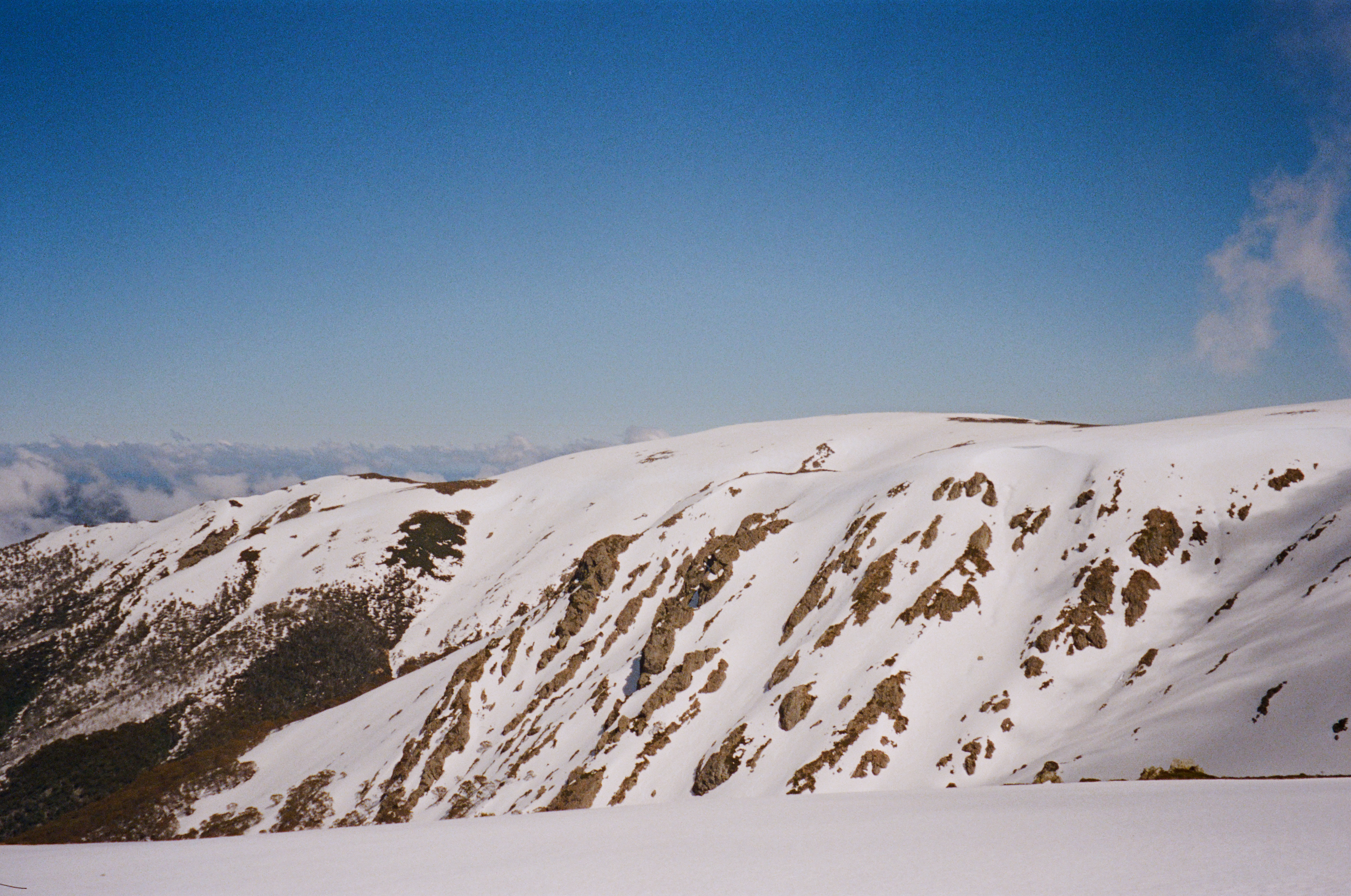
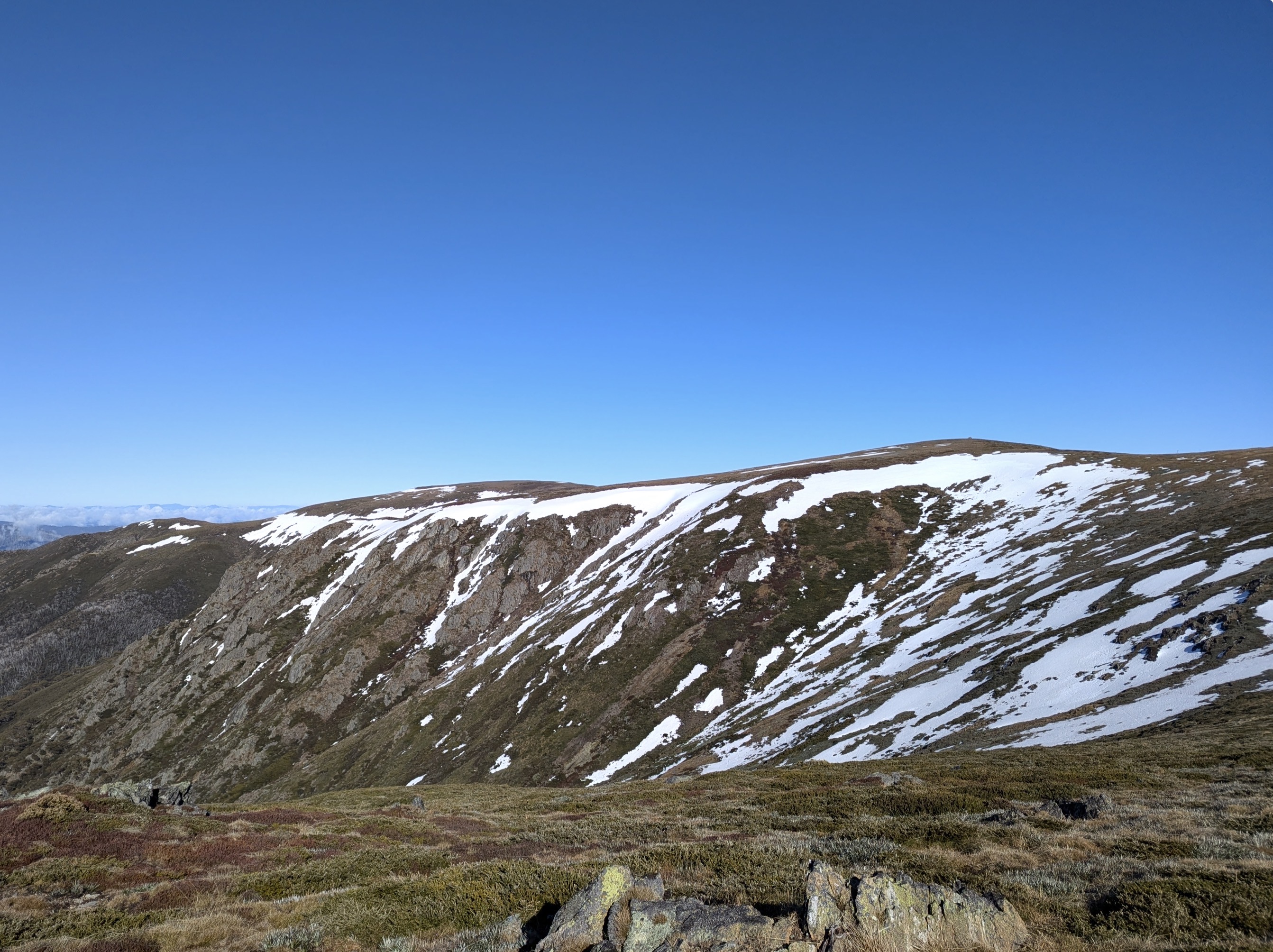
Our mountains may be small, but they are mighty. The Australian alps provide around 29% of annual flows to the Murray Darling Basin, despite making up only 1% of the catchment area. That is almost a third of the inflow into one of Australia’s most important catchments being impacted by the changes to our winter snowpack. Streamflow in the Basin has been found to have a strong correlation with runoff from catchments in the Alps. What this indicates is that reliable streamflow to one of our most utilised water resources is being reduced by the pressures causing a reduced snowpack in the Australian Alps. The Murray Darling Basin is a major food bowl in Australia. Your turns are going to seem like less of an issue if water availability starts to affect the cost and reliability of food. Lower flows mean less water for irrigation and more pressure on farmers, the effects of which are felt on your plate.
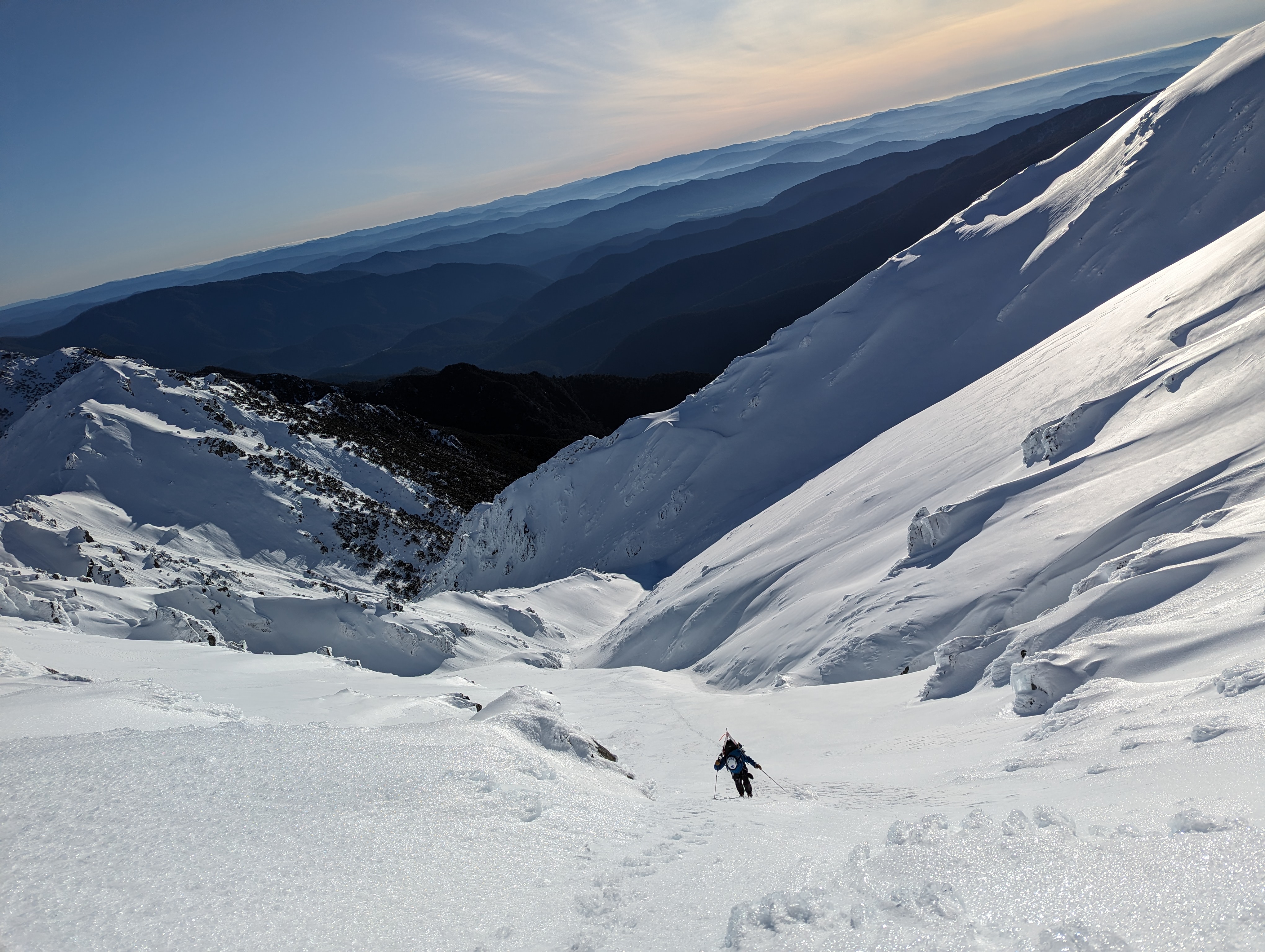
The impacts of reduced water availability range from social, to cultural, to economic, and are too far reaching to delve into in significant detail here. Drinking water supplies, environmental and ecosystem function, and agriculture are among the most important receptors of streamflow. Among other critical needs such as cultural flows, tourism, and hydroelectricity generation there is already competition for this precious resource. For many regional towns, alpine-fed rivers (and aquifers with recharge zones fed by the mountains) are their primary water source. Earlier runoff and lower summer flows mean tighter water restrictions, reduced water security, and greater risk of drought exposure.
So, while it can be a sad reality for Australian skiers, we are not the only ones who are going to feel the pinch if our seasons continue to shrink. Looking at the numbers and realising the reach of the impacts can be quite sobering. However, it is even more reason to pay attention to these matters rather than turn away from them. For most Australians, the consequences of a poor snow season are invisible. The snow disappears months before any impact is felt downstream. Yet the plight of the Australian ski season is not an isolated issue. It is a warning sign for one of our country’s most important water resources. If skiing wasn’t enough of a reason to pay attention, perhaps the water flowing through our rivers and beneath our feet will be.
For further reading I have included the reference list for this article below. A good place to start is Protect Our Winters report – Our Changing Snowscapes: Climate Change Impacts and Recommendations for the Australian Alps. It provides an accessible yet scientifically rigorous look at the future of the Australian Alps. There are other papers relating to our specific context in Australia, and some global studies relating to the mechanisms discussed within this article.